
Dear Westwood Family,
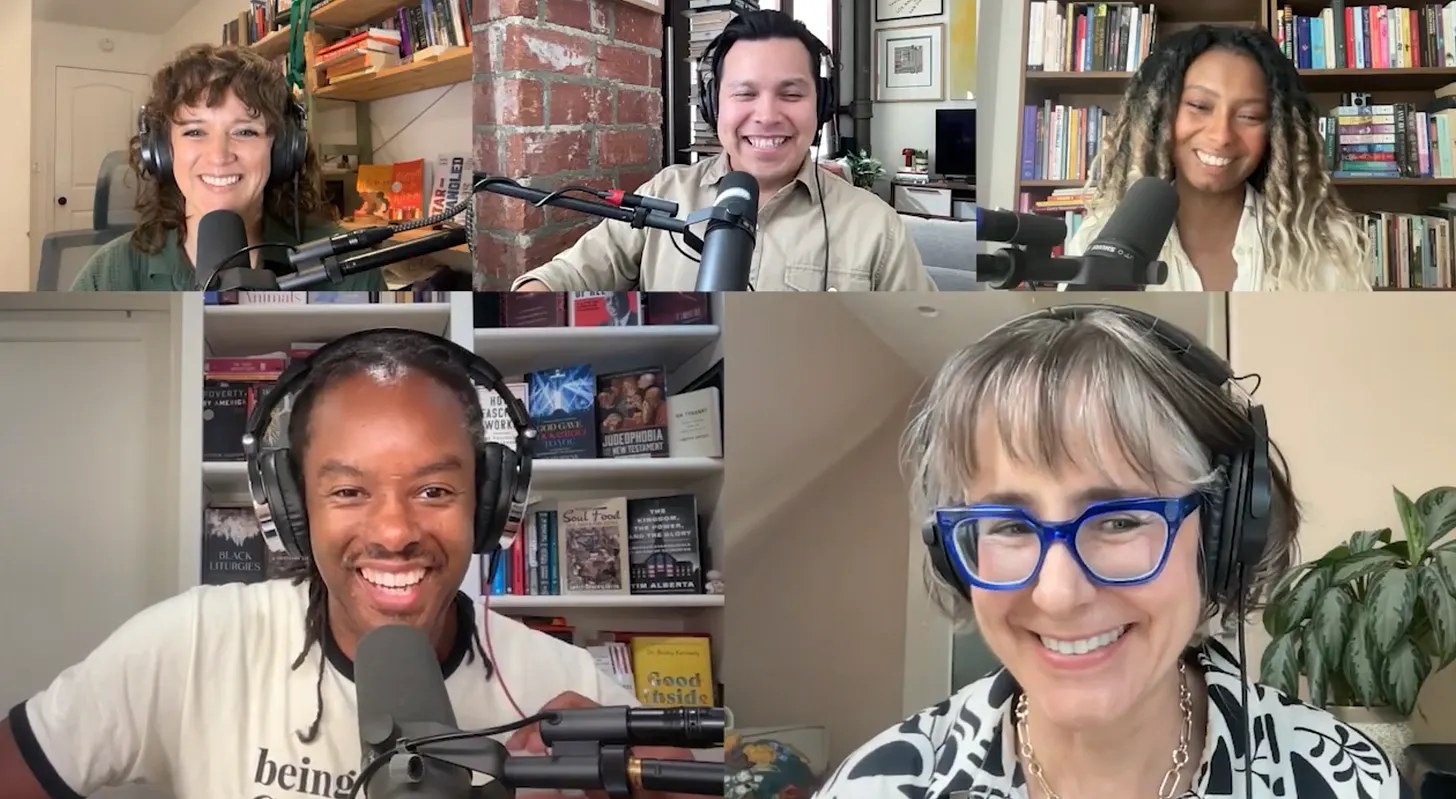
I pray this email finds you all doing well, or at least as well as can be expected given the heat wave we are enduring! As many of you know, The Progressive Christians Podcast has become an important evangelism ministry within our church. And as our podcast has continued to grow, we have been able to speak with amazing people in politics, organizing, and religion. One such person is Liz Bucar, a religious ethicist, professor of religion at Northeastern University, and author of the recently published book, Beyond Wellness. Liz is a prolific public scholar, and her recent essay in Time Magazine, “Why Silicon Valley’s Vision of the AI Future Should Worry You,” was influenced by our podcast conversation on eschatology!
She recently published a Substack essay “I Can Bring the Casserole. I Can’t Accept One,” about her interview on our podcast, and I am sharing portions below.
—
I’ve been doing a ton of podcast interviews recently and I always try to have a real conversation with the host and that usually creates something fun to listen to. But sometimes a podcast interview is special, like it is truly an “INTER-VIEW” where my views (assumptions, beliefs, self-understandings) not only get expressed, but formed through the conversation. Those are the best types of interviews, where the host isn’t just looking at their notes for the next question they want to ask, and I’m not just serving up well-rehearsed stories. Where the conversation is really real. And I just recorded one of those, which you can (and should) watch here, but it was so good I thought I’d offer some highlights from it in this week’s post.
This post is about how I finally “met” the folks of The Progressive Christians Podcast when we virtually sat down together “face to face” to record an episode of their show. I came on to talk about Beyond Wellness and being (gulp) a public theologian. And here are some things I learned about myself and my beliefs from that convo.
Belonging vs. Community
About halfway through the conversation, I said something I hadn’t planned to say (which frankly is sort of my MO).
I’m fine bringing the casserole to the neighbor. It’s very hard for me to accept the casserole.
I said it as a joke. But I think it was actually kinda insightful of where a lot of us are.
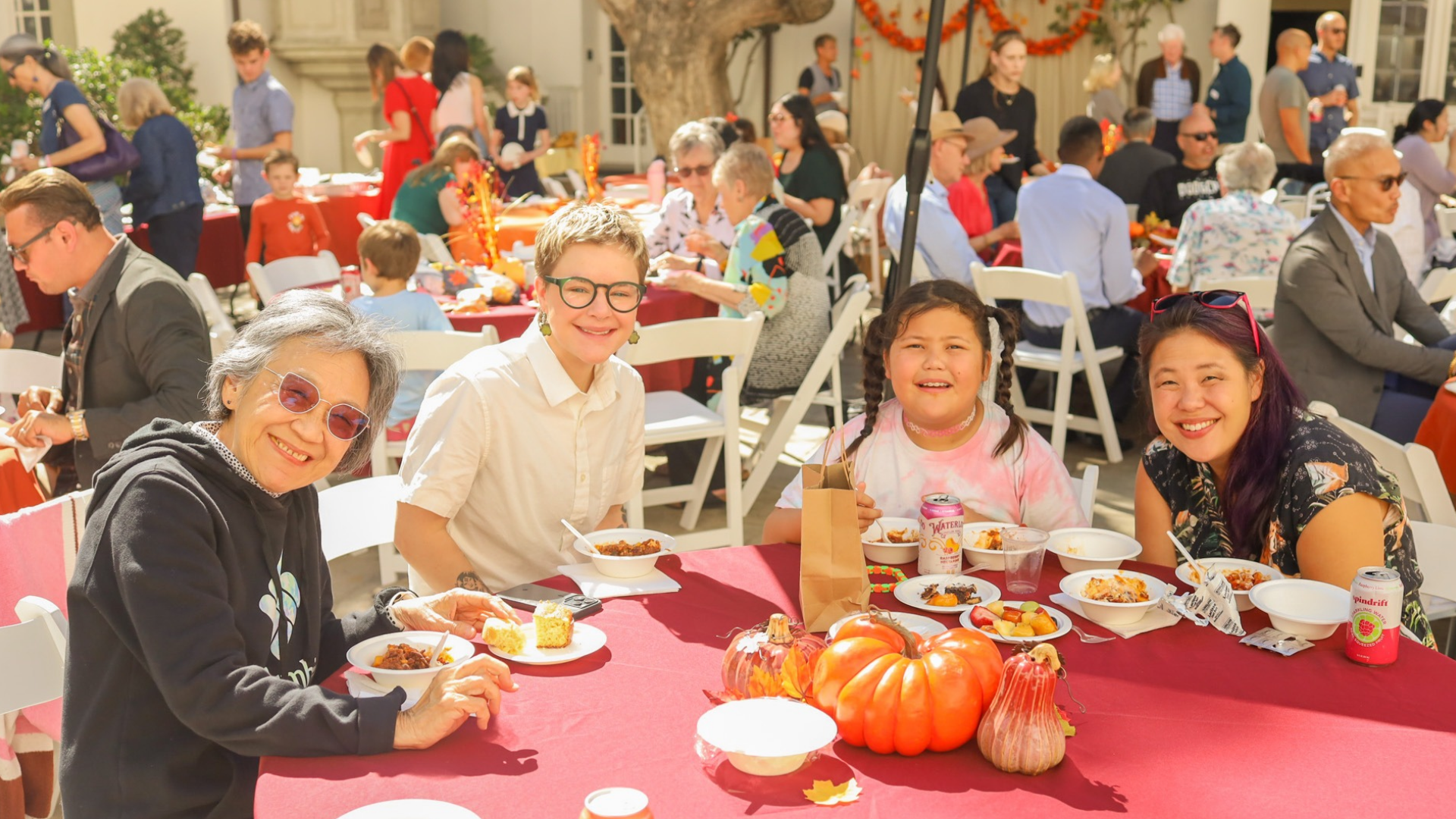
Let’s talk about the loneliness epidemic that we are officially in the midst of. Everyone is looking for belonging. Third places, run clubs, book clubs, the group chat, the sober bar, the supper club, the gym as the new club. I love it all. But it is also important to remember that belonging and community are not the same thing.
Belonging is something you receive. It’s a feeling that happens to you when you walk into a room, and the room is glad.
Community is different. Community comes with a set of obligations. Real community is built on the thing you do not want to go to on a Saturday afternoon, but you go anyway. Sometimes it is work. And I think the reason a lot of us (me included) can’t find community is that we’ve come to expect the receiving without the work of the giving.
Here are two practical challenges for the week
But for this week, here are two things I’m trying to do to build community: 1) Go to the thing I don’t really want to go to, because it will matter to someone that I did. 2) Let someone do something for me that I could handle on my own. Accept the metaphorical (or literal) casserole. The first one makes me a good neighbor. The second one makes me humble. And I think both might be religious acts.
—
Our interview with Liz is a perfect example of how I have begun to reimagine what evangelism is through the podcast – people who don’t even identify as Christian can virtually be with us and feel a sense of belonging. I encourage you to subscribe to her Substack Newsletter, Religion Reimagined, not just because she recently published an essay about the intersections of our work in food justice, but also because she has the pulse of the growing number of “nones,” the religiously dissafected people who I believe would find Westwood UMC a welcome alternative to their idea of what religion can be.
Love & Solidarity
Rev. Dr. Carter