
Dear Westwood Family,
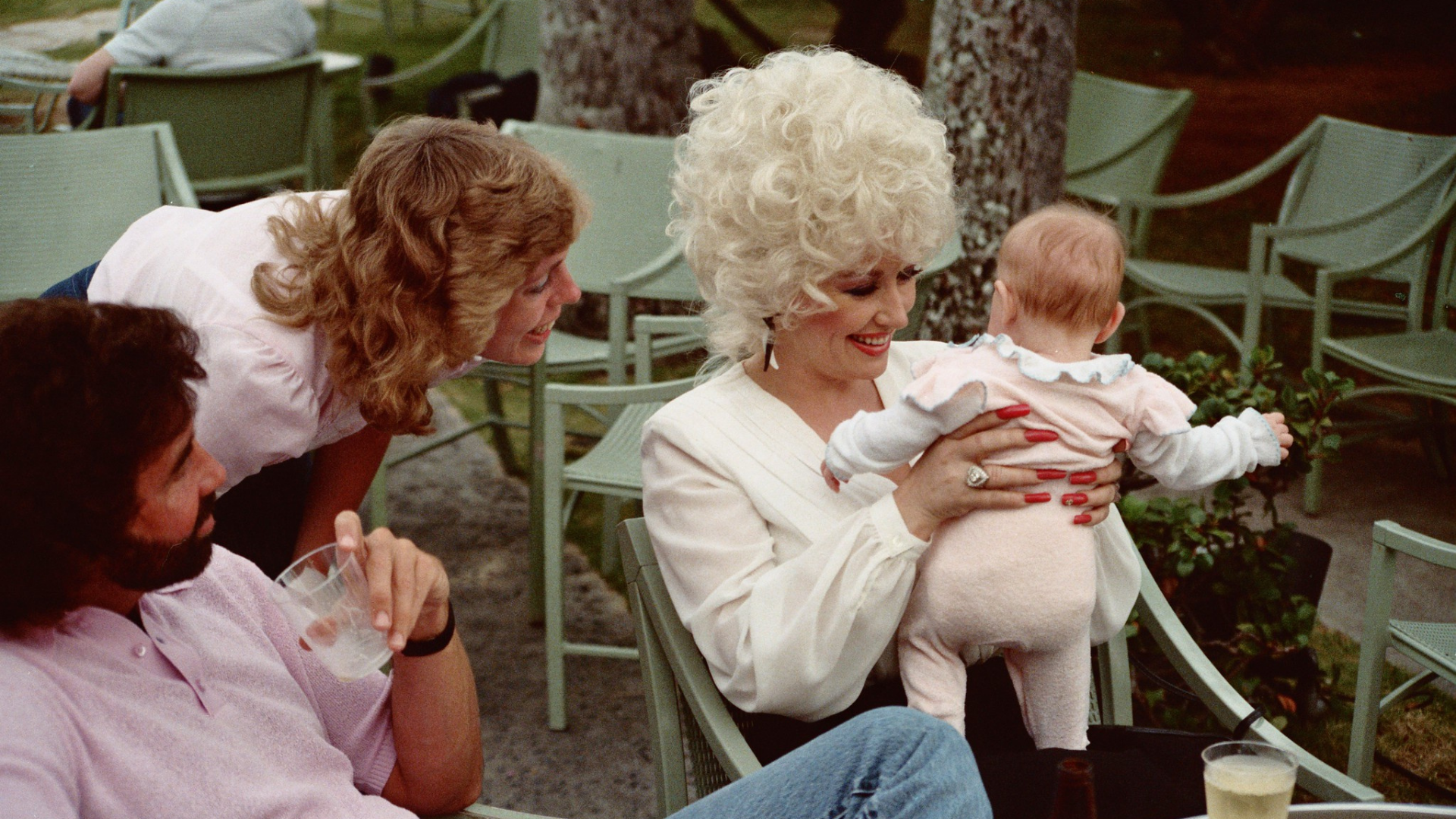
What a gift Dolly Parton has been to the world. Since I heard of her death yesterday, I’ve held sadness and gratitude together. Re-watching some of my favorite video clips of her music and interviews, reading endless tributes from other artists, public figures, and friends of mine, I’m moved by how important she was to so many of us.
Many people will have more insightful analysis of her specific voice, her generosity, her grace-filled theology, and more. Today, I’m caught on one consistent character of how she showed up in the world: she gave dignity to other people.
When speaking about her father’s role in shaping her Imagination Library, the program that sends free books to children from birth to age 5, she describes how the fact that he couldn’t read inspired her to want to make sure all children had access to books. In an interview, she described it this way: “Daddy was from a huge family as well…So Daddy, like so many people, had to stay home and didn’t get a chance to go to school. And Daddy was always kind of embarrassed, but Daddy was so smart and I’ve often wondered what old Daddy might have done had he known how to read and write.”
I’m touched by how she told the story–not to elicit pity, but to elevate her father’s dignity. She described her motivation so that it matters to all of us too, as we start to imagine all the things folks might have done if they hadn’t been held back by a lack of access to education. She used words that honored her father, and to anyone else who lacked access to education. She invites us all into the work of imagining a different world that could be possible if we support each other.
She wasn’t moralizing, self-righteous, or didactic. Dolly was persistently disarming, always willing to laugh at herself, and quick to apologize if she embarrassed someone else. She seemed always to understand that her place in the world was to make it a better, more gracious and spacious place for someone else. She showed up–and her curvy body, fabulous wigs, and rhinestones made it easier for the rest of us to know we belong, too, with our feminine bodies, big hair, or sparkle. In 1980, she used a screwball comedy film to lift up the cause of worker justice and expose the ugliness of sexual harassment in the workplace. For decades, she affirmed LGBTQ+ folks; she insisted that of course Black Lives Matter. She sang duets with people of all ages and races, across all kinds of genres. She made us feel like we could all lift each other up, too, with a captivating mix of confidence, humility, and sparkle.
All of which is to say that I hope to take at least this one lesson from Dolly Parton: that I have the capacity and calling to uplift the dignity of others. I hope you’ll hear that call, too.
grace and peace,
Pastor Molly