
Greetings Westwood UMC Family,
I pray this pastoral note finds you all doing well! I am excited to write this week’s pastoral note because it is a little different than usual. Our sermon series in The Loft between August 9th and September 27th was titled “After Deconstruction,” and through those weeks, the sermons and conversation questions were a condensed version of the Constructive Theology course I’ve taught since 2015. At the end of the series, I invited people to share any new questions that came up for them. The questions were fantastic and are listed at the end of this note. I am responding to three of the questions in this note and will respond to the remaining questions over the next several weeks. We’ll cover a few of the questions in greater detail during the Constructing Theology class I will be leading beginning this Sunday from 9:30-10:15 (please email sabrina@westwoodumc.org to sign up if you’re interested!).
Question 1 – In a slightly contrarian form, I’m challenged by the “bus.” Where IS it going? Because many people think they’re on it (and in first class!), and it’s everyone ELSE who is taking the Uber of uniqueness.
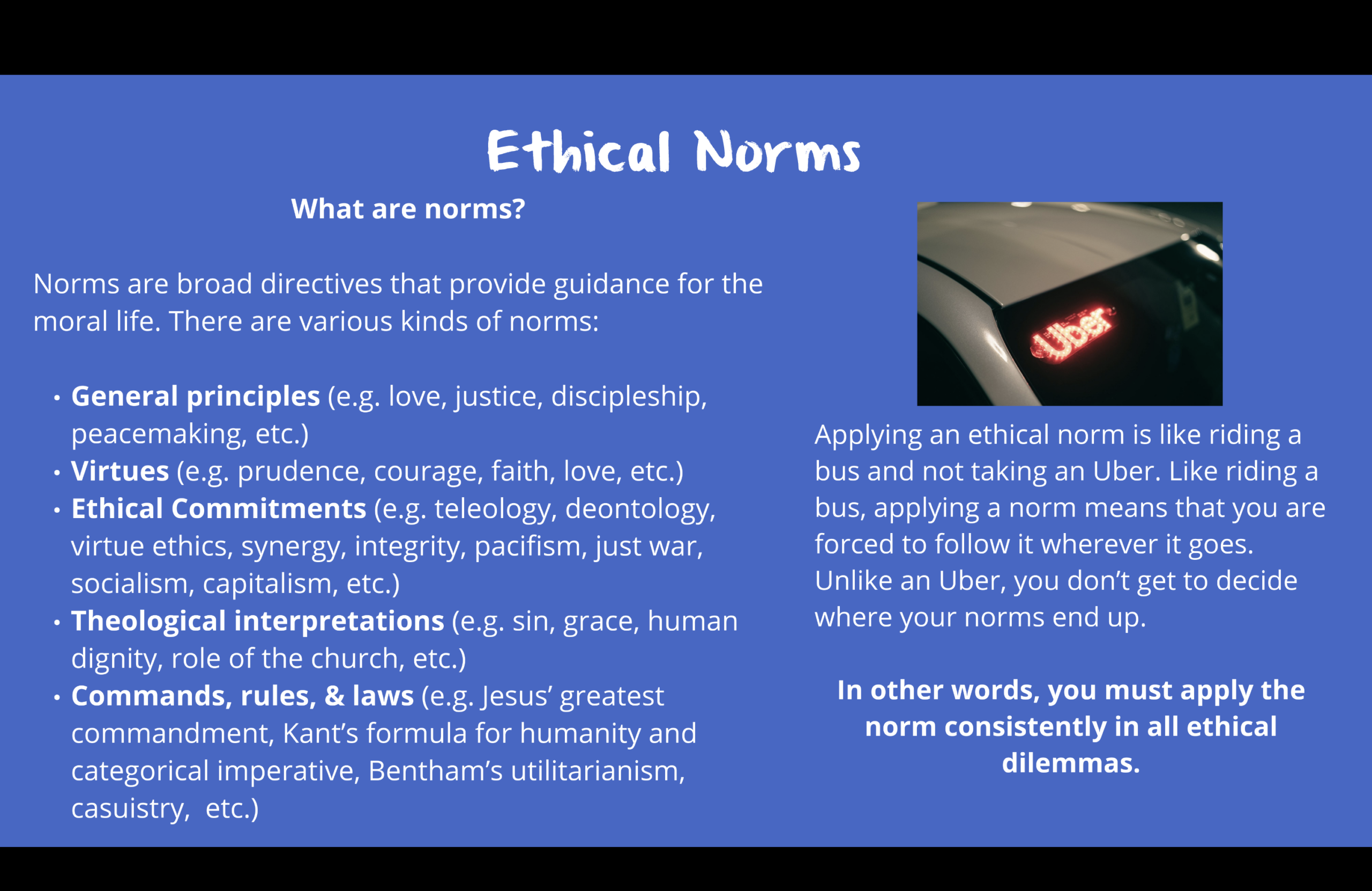
When I taught Christian Social Ethics at The University of San Diego, it was my most difficult course, and my most popular, and this question captures why – learning how to live a morally consistent life is a difficult (especially for their GPA) but profoundly rewarding pursuit. It taught students to value expertise and the distinction between an opinion and an argument. In my course, students were entitled to their arguments, not their opinions. Opinions matter, but for mature people of faith, they cannot be the foundation of our ethics or an ethical argument. If you would like a more detailed explanation of the bus/Uber ethics distinction, you can view the slide at the bottom of this page. In short, applying an ethical norm such as “just war” is like riding a bus and not taking an Uber. Like riding a bus, applying a norm means that you are forced to follow it wherever it goes. Unlike an Uber, you don’t get to decide where your norms end up. In other words, you must apply the norm consistently in all ethical dilemmas.
Metaphorically, the “bus” can be any moral norm: love, courage, Jesus’ greatest commandment, and, as mentioned, just war theory. Just war is an excellent example of the consequences of moral inconsistency. If you were to ask those who support what leading experts and B’Tselem (The Israeli Information Center for Human Rights in the Occupied Territories) describe as a genocide in Gaza, most, if not all of them would say they do. However, if you told them that the conflict fails on at least three criteria: war of last resort, proportionality (i.e., proportional harm), and non-combatant immunity, would they “ride the norm bus” that takes them to being against the conflict, or would they “take the norm Uber” and try to change the criteria or throw away their just war norm altogether?
Discerning if you are on the bus or taking an Uber is not difficult once you understand the process of evaluating your ethical norm. However, as Christians, our ethical norms should be guided by the life and teachings of Jesus. The moment we discover that one of our norms does not align with Jesus’ teaching, we should accept that we have made a mistake and work to repair the incongruity between our faith and our actions. In this way, taking the “norm bus” is difficult because you must be willing to question your own beliefs and unlearn ideas and ideologies that do not align with your norms once you become aware of them. This type of unlearning can only happen in spaces where people feel safe and my prayer is that each of you work to help create and sustain these pockets of safety.
Question 2 – This is a burning question without an easy answer, but more people die in LA from traffic accidents than homicides. I know people whose lives have been cut short. What is the Christian response to bad driving?
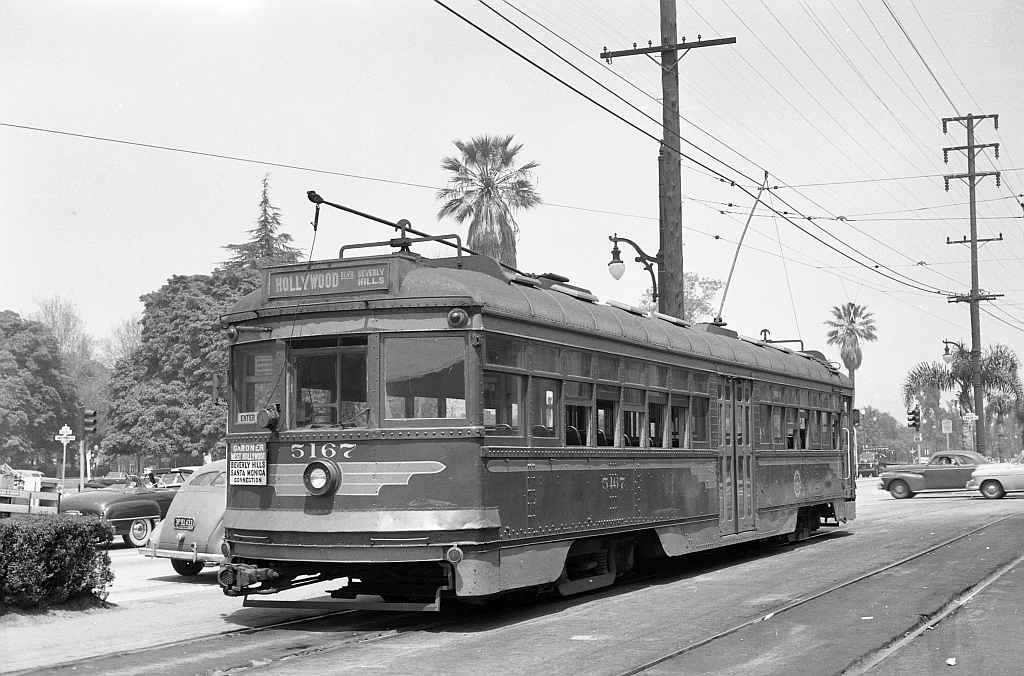
I think the answer is simple, really. The Christian response to bad driving is to do everything we can to push for radical investment in public transportation in Los Angeles and a strategy to shift away from our car culture. The story of how LA’s public transportation began to erode in the 1950s is fascinating, but the story of how we were just foolish enough to believe that we could rebuild a robust public transportation infrastructure is waiting to be written.
Love & Solidarity,
Rev. Dr. Carter
Additional questions from the After Deconstruction sermon series
- Are we called to evangelize? If so, how?
- How far can deconstruction go? Can you deconstruct too much?
- How do we sign up for a coaching series on The Bus Route to Jesus with Dr.
Carter? 15-minute daily? 3x a week? Private or group? - In deconstruction, I’ve come to refute the inerrancy of the Bible. How do we
continue to reconcile an errant Bible with the basis of our faith? - Is grief a more sustainable path to compassion than anger?
- How do I walk away from ego, and “works”, and earning? How do I quit?
- Grief, anger, and fear are so intertwined, and none of them feel sustainable, but I
get out of them by trying to imagine another point of view. - Is the bible inerrant? How do you reconcile a bible authored and assembled by
imperfect humans with the “truth” and the basis of our faith? - How do we deal with the fatigue of being heartbroken by what we see in the
world each day? - We aren’t meant to focus on judging the mistakes of others as our main way of
loving God, but how do we work to get them to grow and change, as well as
protect those hurt by those beliefs? - In a slightly contrarian form, I’m challenged by the “bus.” Where IS it going?
Because many people think they’re on it (and in first class!), and it’s everyone
ELSE who is taking the Uber of uniqueness. - How far should I challenge my beliefs? To what point does faith stand before it
becomes a mindfulness practice? - If God is love and walks with us through our grief, how does God walk with those
in the midst of true suffering, like those experiencing genocide, for example? - What are some of the fundamental differences of truly deconstructingas a
community rather than individually? - What is the best way to interact with love, humility, and respect when engaging
with people who are coming from a more “politician” or “cult” mindset without
reverting to “I’m right, you’re wrong”? - This is a burning Q without an easy answer, but more people die in LA from traffic
accidents than homicides. I know people whose lives have been cut short. What
is the Christian response to bad driving? - How do you grapple with individuals who call themselves Christians, but hold
beliefs that seem opposed to Jesus and operate in ways that are damaging to
others? - There are so many interpretations of the bible. How do I know that I am living out
my faith in a way that is truly honoring to God and God’s creation (as opposed to
someone who doesn’t align with my values)?