
Dear Westwood Church Family,
Last night, as famed seismologist Dr. Lucy Jones was wrapping up her comments during a lecture event we co-hosted with the Claremont School of Theology, she said something that I can’t stop thinking about:
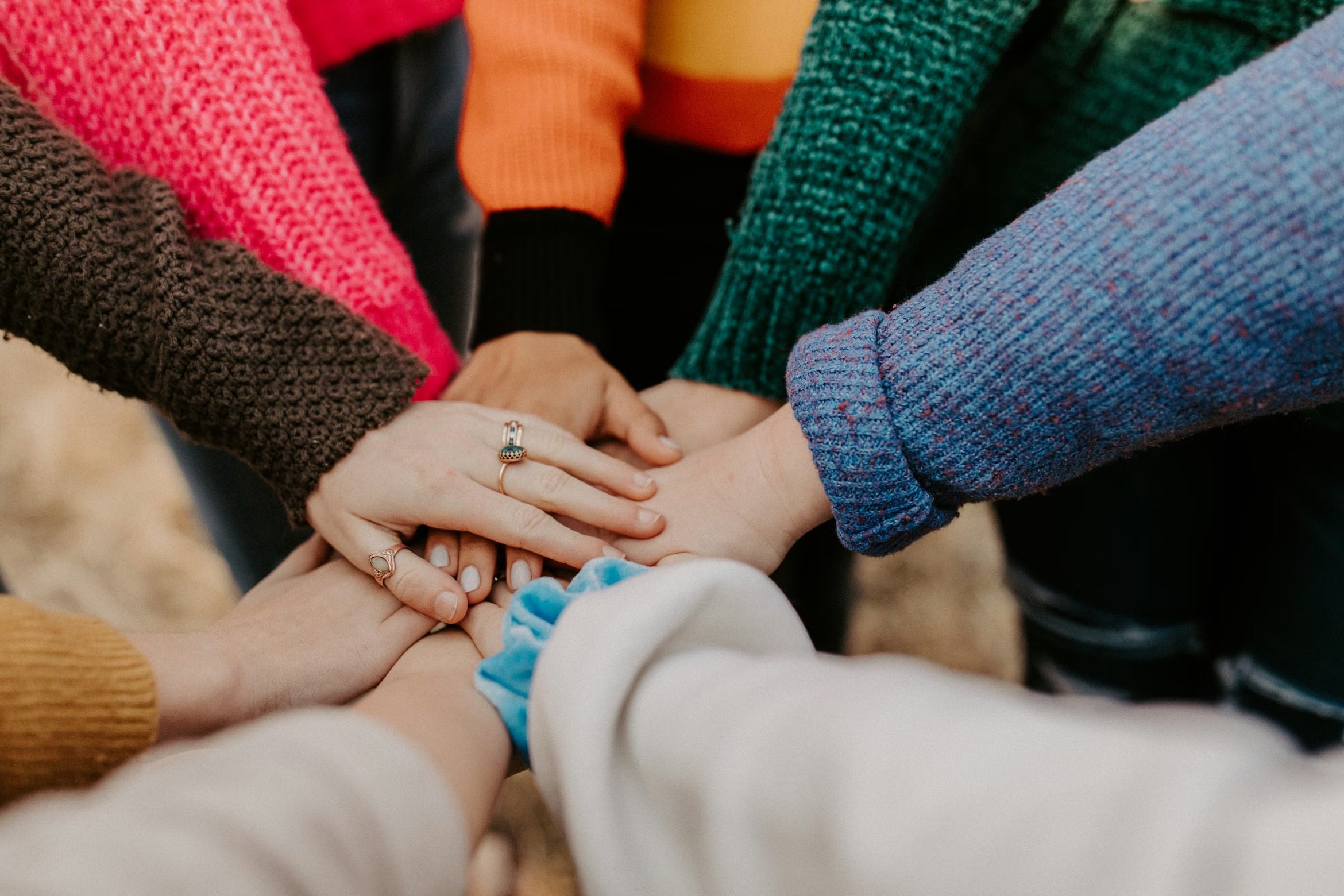
In our US American culture, we talk about disaster preparedness primarily in an individualistic way, because that’s what our culture is receptive to. We get our own emergency supplies, and make a plan for our family. We make sure to have food and water to meet our own needs. But this is not what most helps people be resilient after disasters (whether natural or human-made): people are most resilient after disasters when they have connection and community. “Social capital,” as the sociologists name it, is the most valuable resource.
But, the people making decisions about how to best promote public safety have largely decided that that’s too hard a case to make in our individualist culture. So, we keep on packing our disaster backpacks and stockpiling emergency food in our homes.
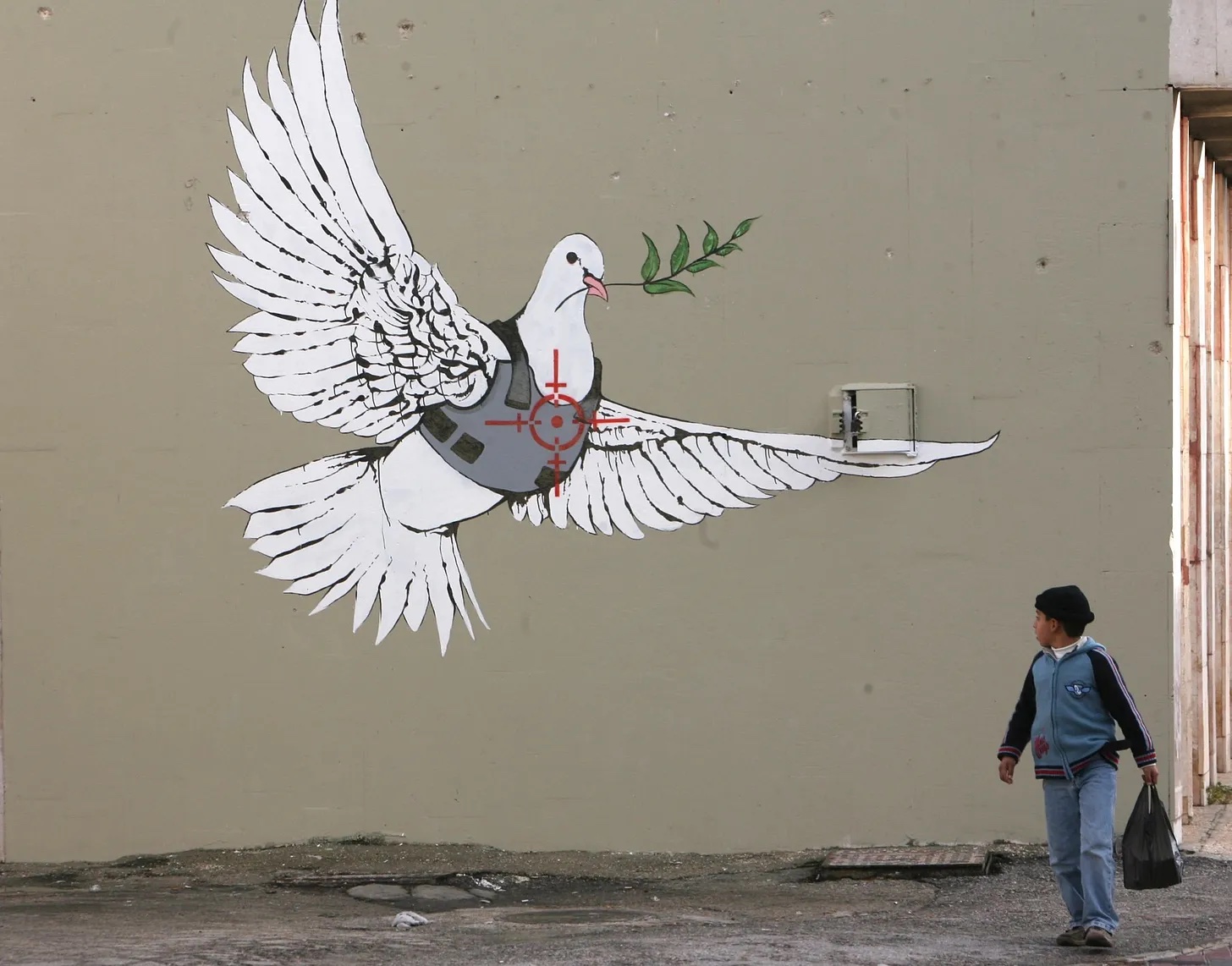
Worse, we prepare for disasters in a way that makes us not only suspicious of our neighbors, but that sets us up to see them as a threat (especially if they would need our stockpiled provisions.)
Of course, we know ways that this isn’t the whole story: we remember the gracious generosity of our communities after last year’s wildfires, and are humbled, too, by donations and prayers that came from people far away. We haven’t forgotten how meaningful it was to create phone trees and to check in on our neighbors during the Covid pandemic. We see the power and compassion of mutual aid networks, providing groceries to people confined to their houses in fear of ICE agents. We see the inspiring witness of people who stand up in solidarity with one another.
I believe God is calling us to this kind of mutual care not only in response to disasters, but as a proactive preparation for long-term resilience. We are invited to build up our networks of care now. We are called to make simple choices for the common good. Dr. Jones talked, for example, about wildfire mitigation strategies around our properties, seismic retrofitting choices we can make for our homes, and climate-friendly choices we can make by replacing all our old appliances (when they stop working) with electric ones.
There’s a critical nuance we’re called to: our faith invites us to make these personal choices as a way of caring for others. What are the subtle and significant differences that come when we choose to see our capacity to love our neighbors? For me, they’re enormous. The individualistic view that can make me feel small (and afraid) opens up to a broad, expansive connection to God and the community around me.
Next week is Holy Week. As we contemplate Jesus’ journey to the cross and resurrection, I am mindful of the depth and strength of love that is shown in Christ’s salvation. Our faith offers a whole different kind of security; saving grace allows us to shift our priorities beyond a limited, individual view, toward a boundless connection in eternal love. Christ’s salvation comes through God’s experience of suffering and tragedy (and also an earthquake, according to Matthew’s gospel), and leads us toward Beloved Community (the ultimate disaster resilience).
This is a journey that we can only undertake together.
grace and peace,
Pastor Molly